9 hr
Nusa Penida Snorkeling & West Coast Adventure
- Expert local guide
- Small group
- Skip-the-line access
- Free cancellation
Snorkeling Nusa Penida Manta Point — Manta Ray Encounters
Drift above pelagic giants in protected waters, where currents bring the reef's largest visitors daily
Compare fares, pick the fit — all bookings are mobile-voucher and eligible for free cancellation where shown.
9 hr
9 hr
6 hr
Selecting the right snorkeling nusa penida manta point tour is essential for a safe and rewarding experience in the Marine Protected Area. Visitors can choose between shared and private boat excursions, each offering different levels of convenience for seeing these gentle giants.
| Shared Boat Snorkeling Group excursion, meeting at harbor |
Top pick Private Boat Snorkeling Dedicated boat for your group |
|
|---|---|---|
| Group Size | Up to 20 travelers | Exclusive group only |
| Flexibility | Fixed schedule | Flexible itinerary |
| Marine Protected Area Access | Included | Included |
| Equipment Provided | Mask, snorkel, fins, life jacket | Mask, snorkel, fins, life jacket |
| Best for | Budget-conscious travelers | Families or private groups |
| See tickets & prices |
Verdict: Budget travelers should book shared snorkeling nusa penida manta point tours, while groups seeking privacy should opt for the dedicated boat experience.
Worth it for ocean lovers seeking wildlife encounters
Snorkeling nusa penida manta point delivers one of Bali's most reliable pelagic encounters, with manta rays appearing in 70–85% of dives during favorable conditions. Tours departing from Sanur or Padang Bai bundle the marine protected area permit (100,000 IDR) with boat transport, gear, and typically two or three additional reef sites—most packages run 650,000–950,000 IDR. The value proposition hinges on timing: early morning departures face lighter chop and fewer boats, while midday slots contend with crowded channels and reduced visibility. Snorkeling nusa penida manta point tours work best for confident swimmers comfortable in open water; the cleaning station sits in a current-prone channel where mantas glide overhead rather than beside you. If you prioritize macro life or calm shallows, Nusa Penida's eastern bays offer easier conditions, but none match the thrill of hovering above a three-meter wingspan. For those chasing iconic marine megafauna, the journey justifies the logistics—provided you book early departures and accept that sea state dictates success.
Bottom line: Book an early morning snorkeling nusa penida manta point tour if you're chasing Bali's most accessible manta ray encounter and prepared for open-water conditions.
They complement each other; most visitors who do both call snorkeling nusa penida manta point the more thrilling experience for its encounters with majestic giants. This snorkeling nusa penida manta point tour focuses on open-ocean wildlife, whereas Crystal Bay provides a sheltered environment for reef exploration.
|
Top pick Manta Point |
Crystal Bay | |
|---|---|---|
| Primary draw | Manta ray encounters | Coral reef biodiversity |
| Typical sea conditions | Often rough swells | Calm sheltered waters |
| Access method | Boat only | Boat or motorbike |
| Difficulty level | Moderate to high | Low to moderate |
| Likelihood of sightings | High for manta rays | Consistent for tropical fish |
| See tickets & prices |
Verdict: Choose the snorkeling nusa penida manta point tickets if your priority is megafauna, or opt for Crystal Bay if you prefer relaxed swimming conditions.
Hand-picked experiences loved by thousands of travelers
6 hours
Free Cancellation
Explore three pristine snorkeling sites around Nusa Lembongan and Penida, with marine life encounters and lunch
3 - 9 hours
Free Cancellation
Swim with manta rays at renowned dive sites, then discover dramatic clifftop viewpoints on this flexible island adventure
6 - 9.5 hours
Free Cancellation
Snorkel alongside majestic manta rays, explore three pristine dive sites, and kayak through mangrove forests
9 - 10 hours
Free Cancellation
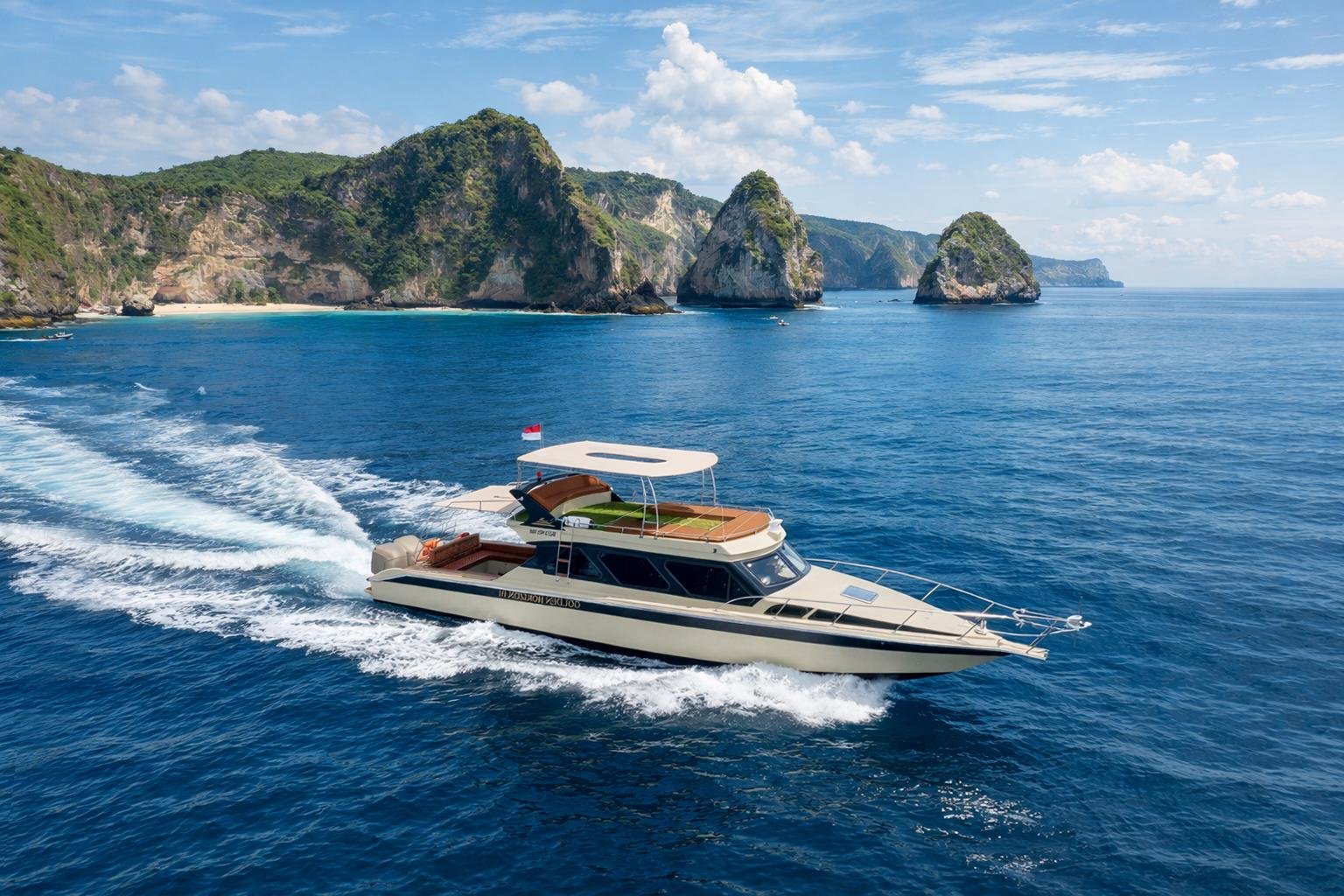
Sail aboard a 2026-built yacht to snorkel with mantas, visit Kelingking Beach, and lunch at a beachside club
3-5 hours
Free Cancellation
Swim with manta rays, snorkel three pristine sites, enjoy Indonesian lunch, and paddle through mangroves
3 hours
Free Cancellation
Swim alongside manta rays and explore three stunning underwater sites on this half-day marine excursion
3 hours
Free Cancellation
Explore four pristine snorkel sites around Nusa Penida on a private boat tour with marine life encounters
5 hours
Free Cancellation
Dive or snorkel with majestic manta rays at two pristine sites, plus buffet lunch and expert guidance
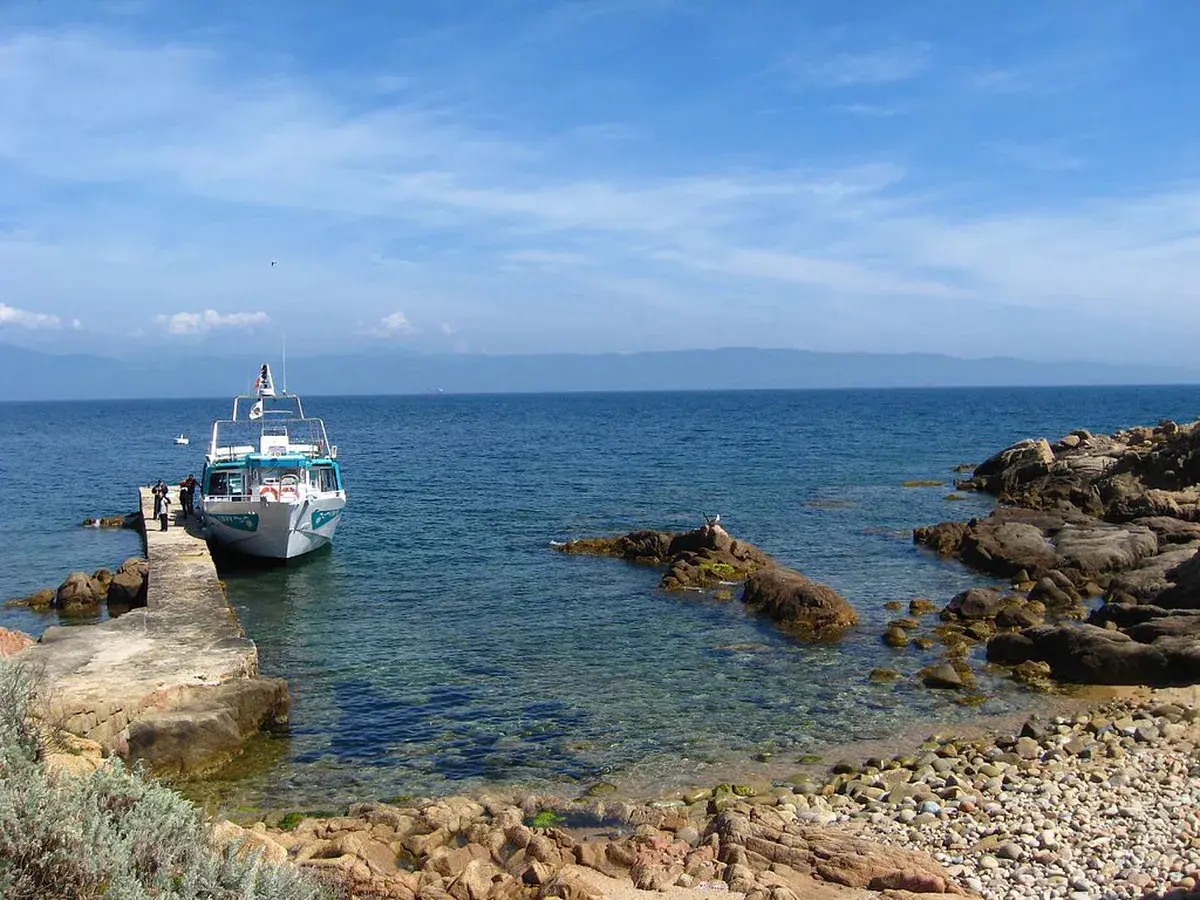
Travel from harbor to the southern coast
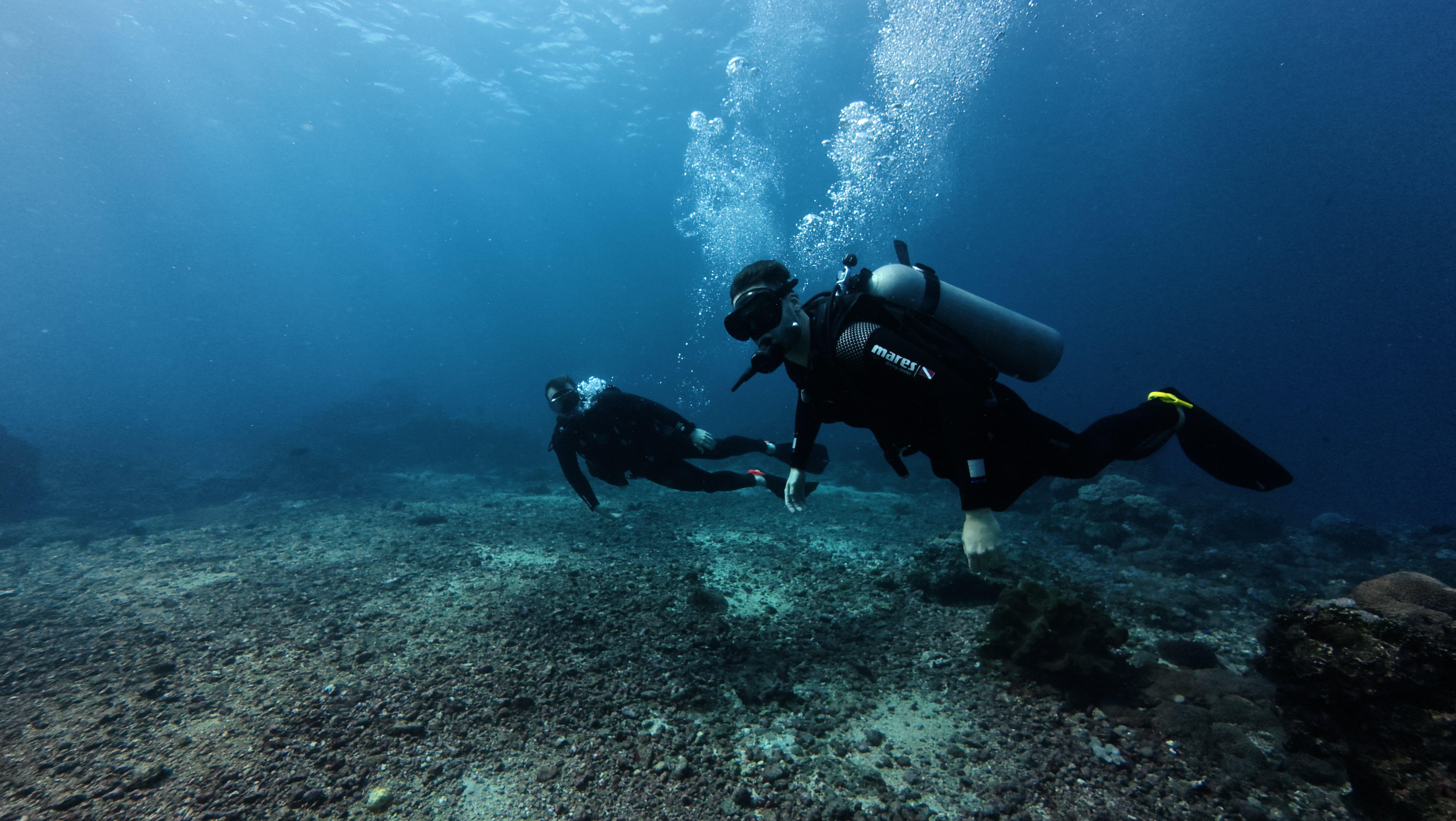
Safety instruction and gear fitting
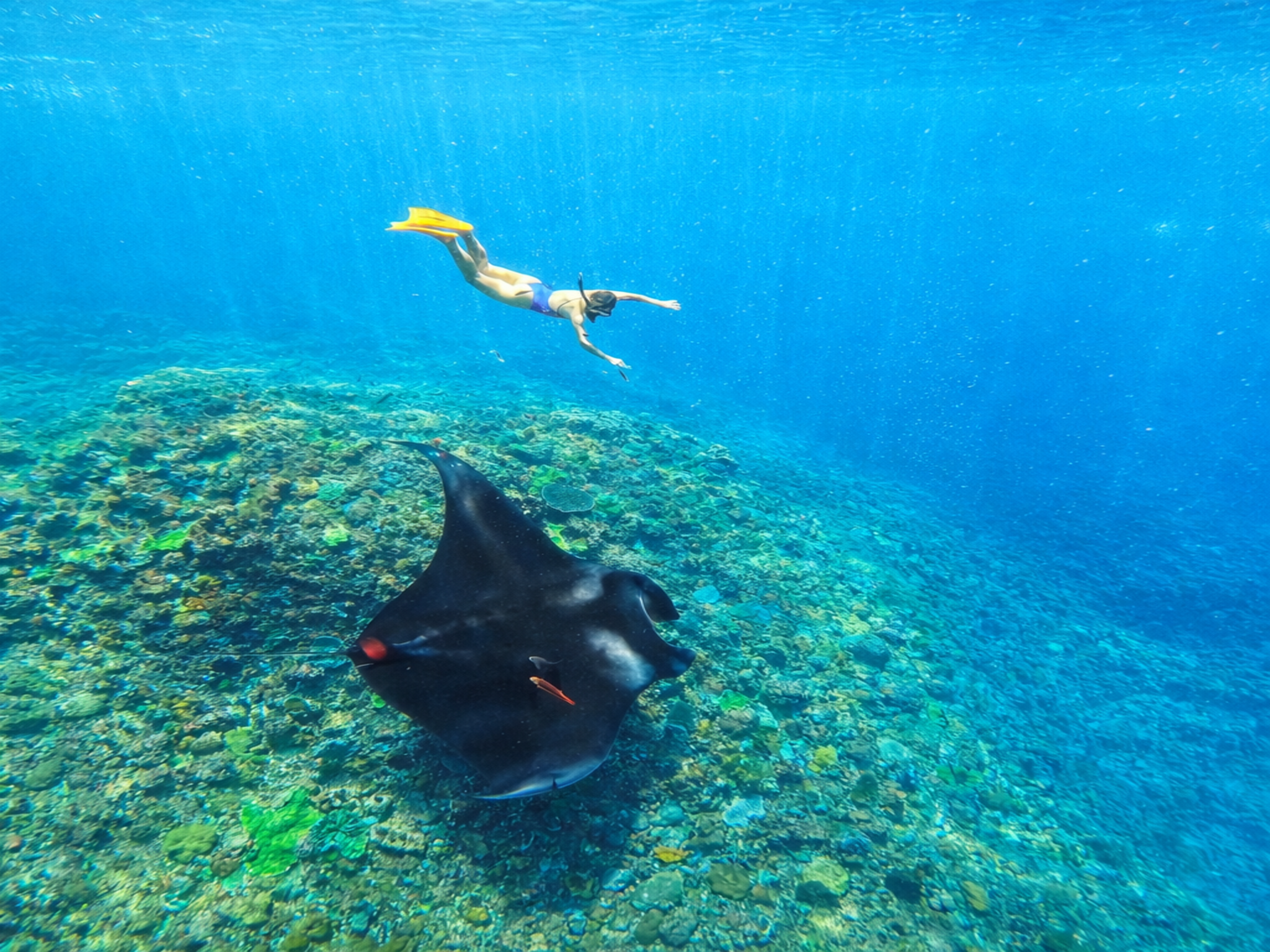
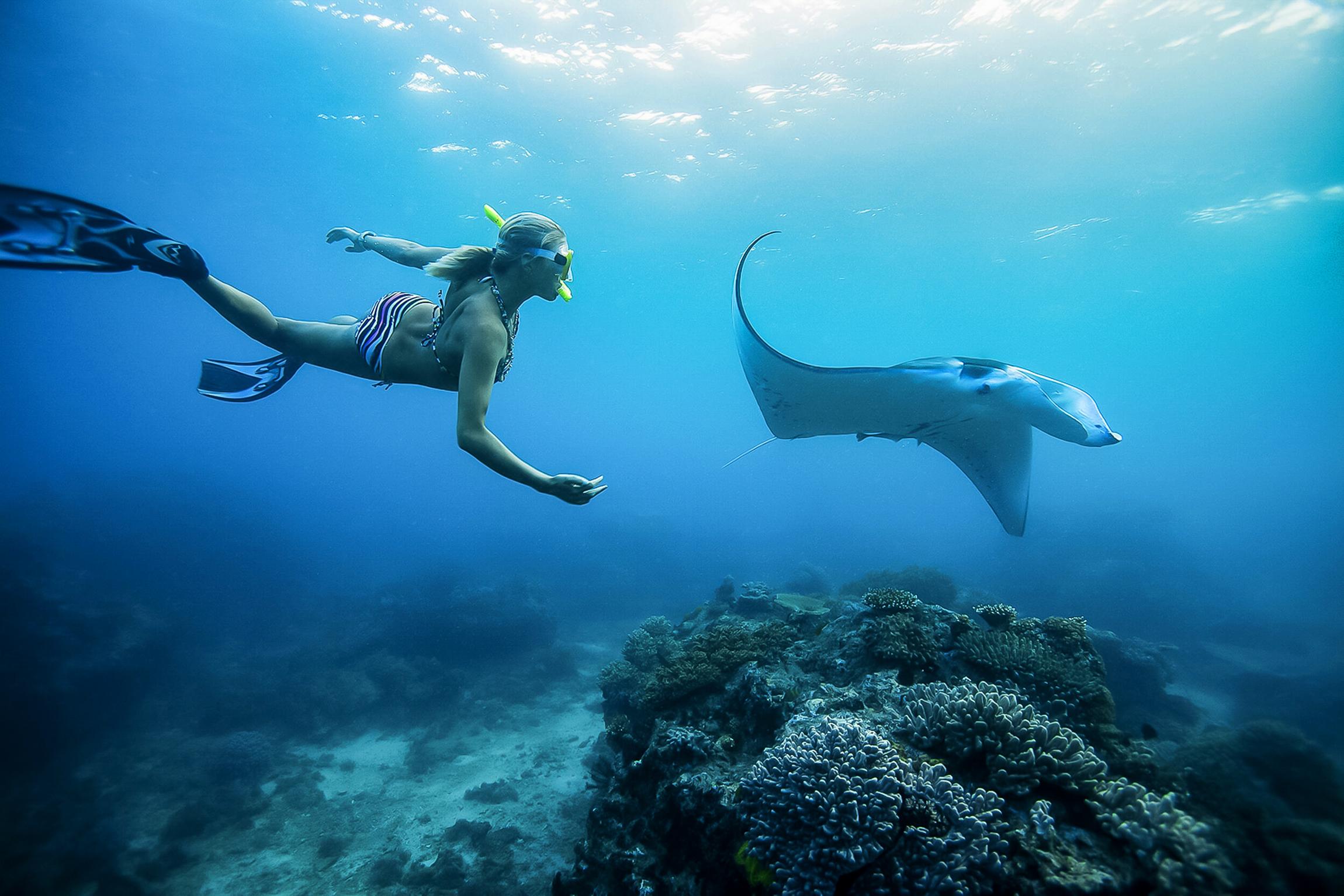
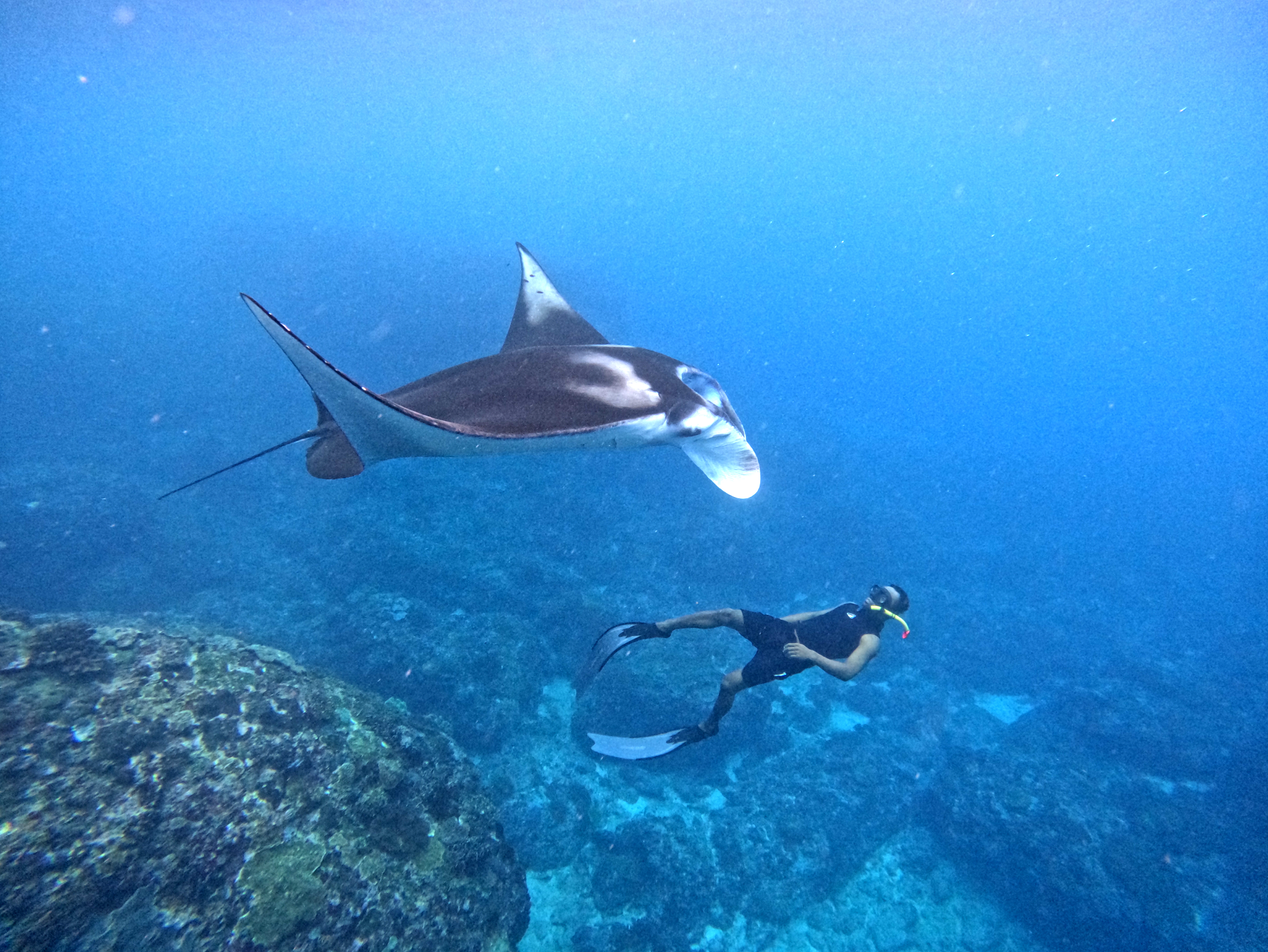
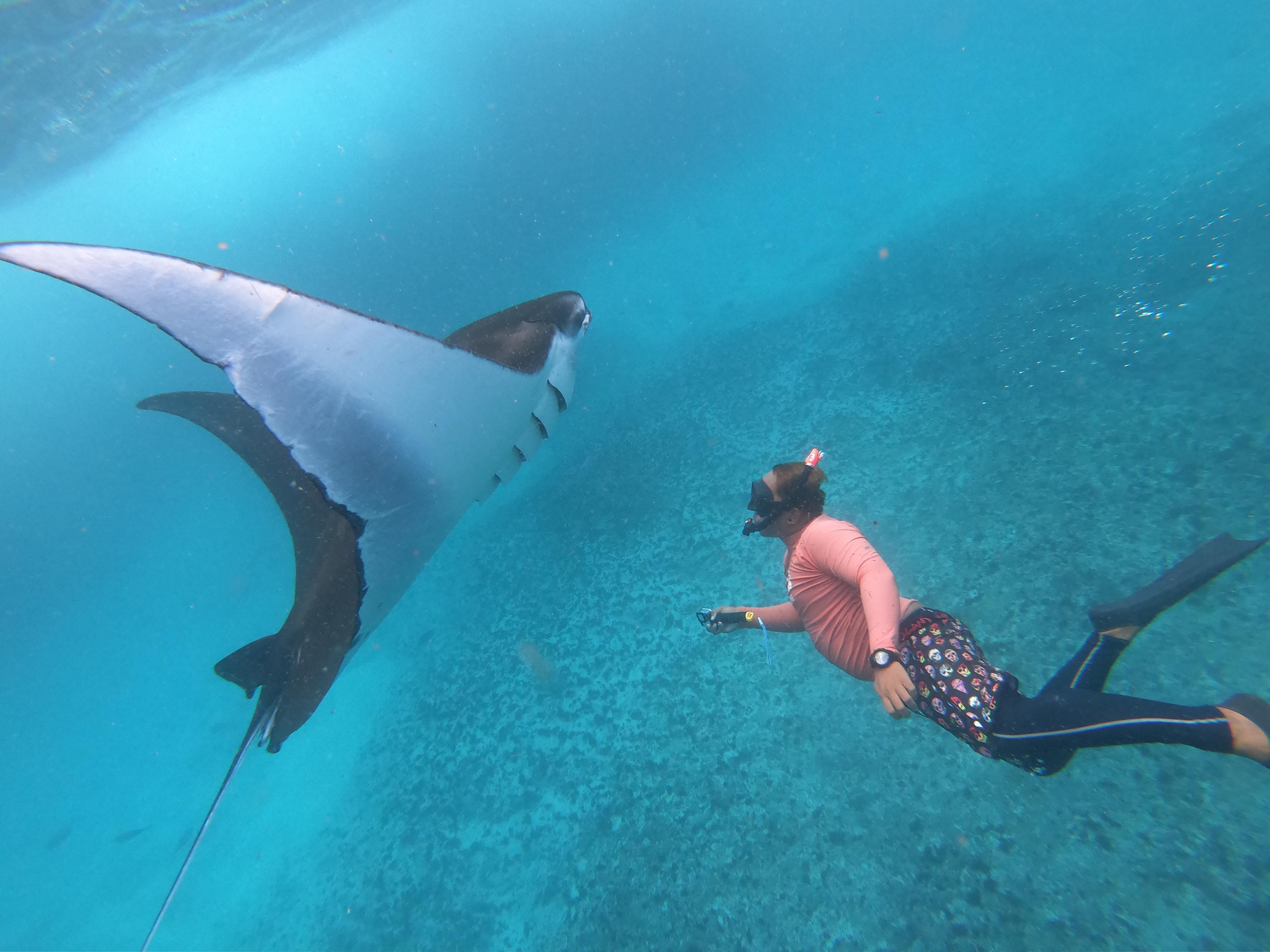
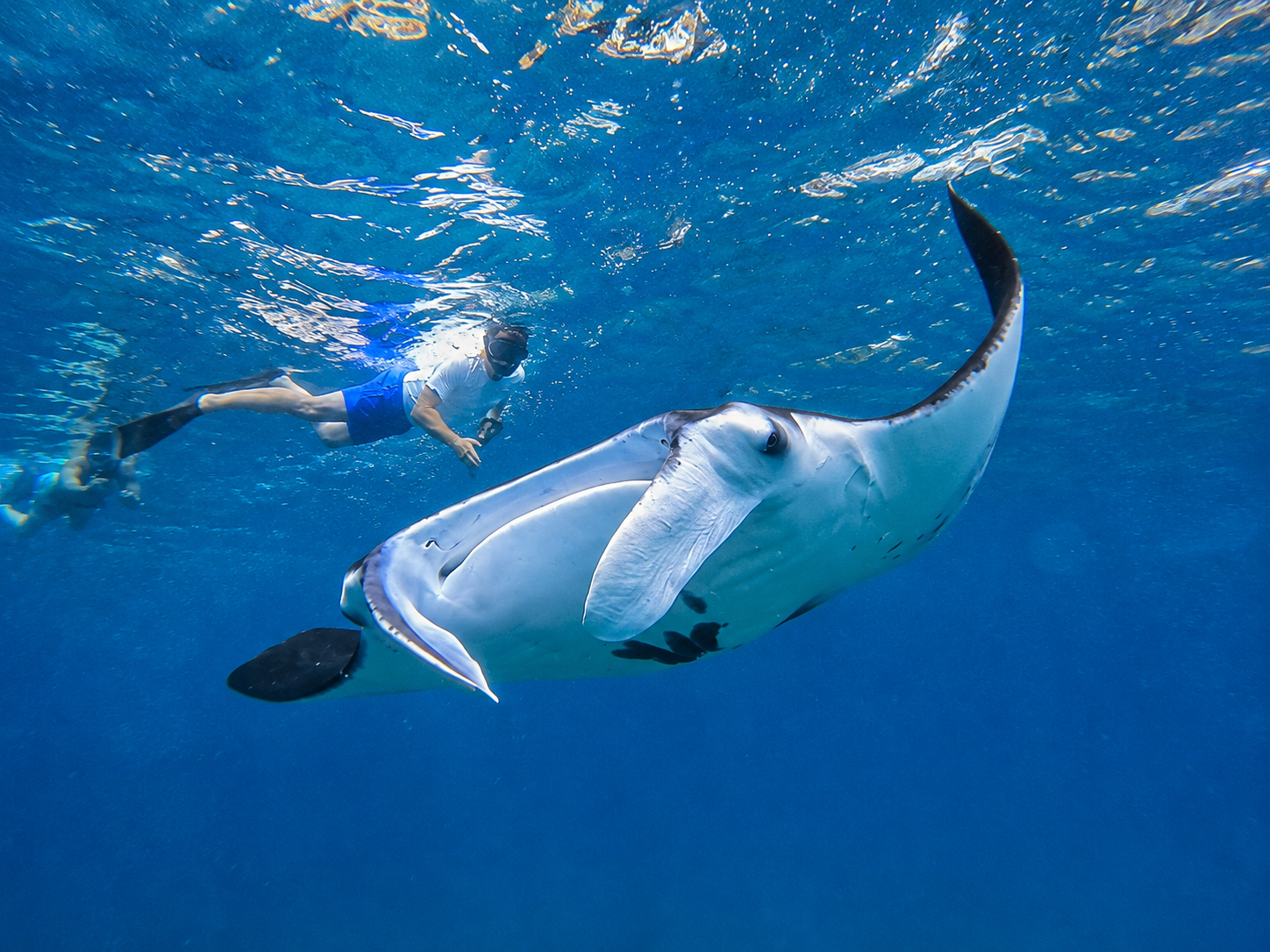
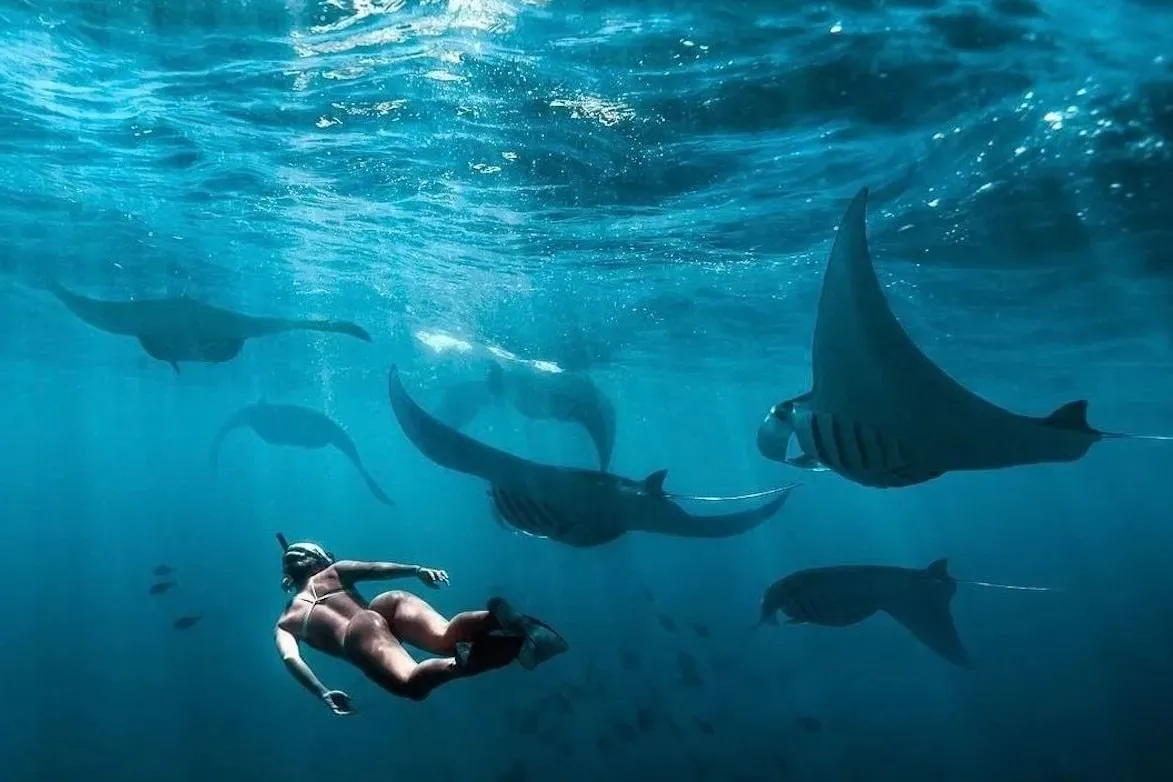
Swimming with manta rays
Boat transit back to Nusa Penida harbor
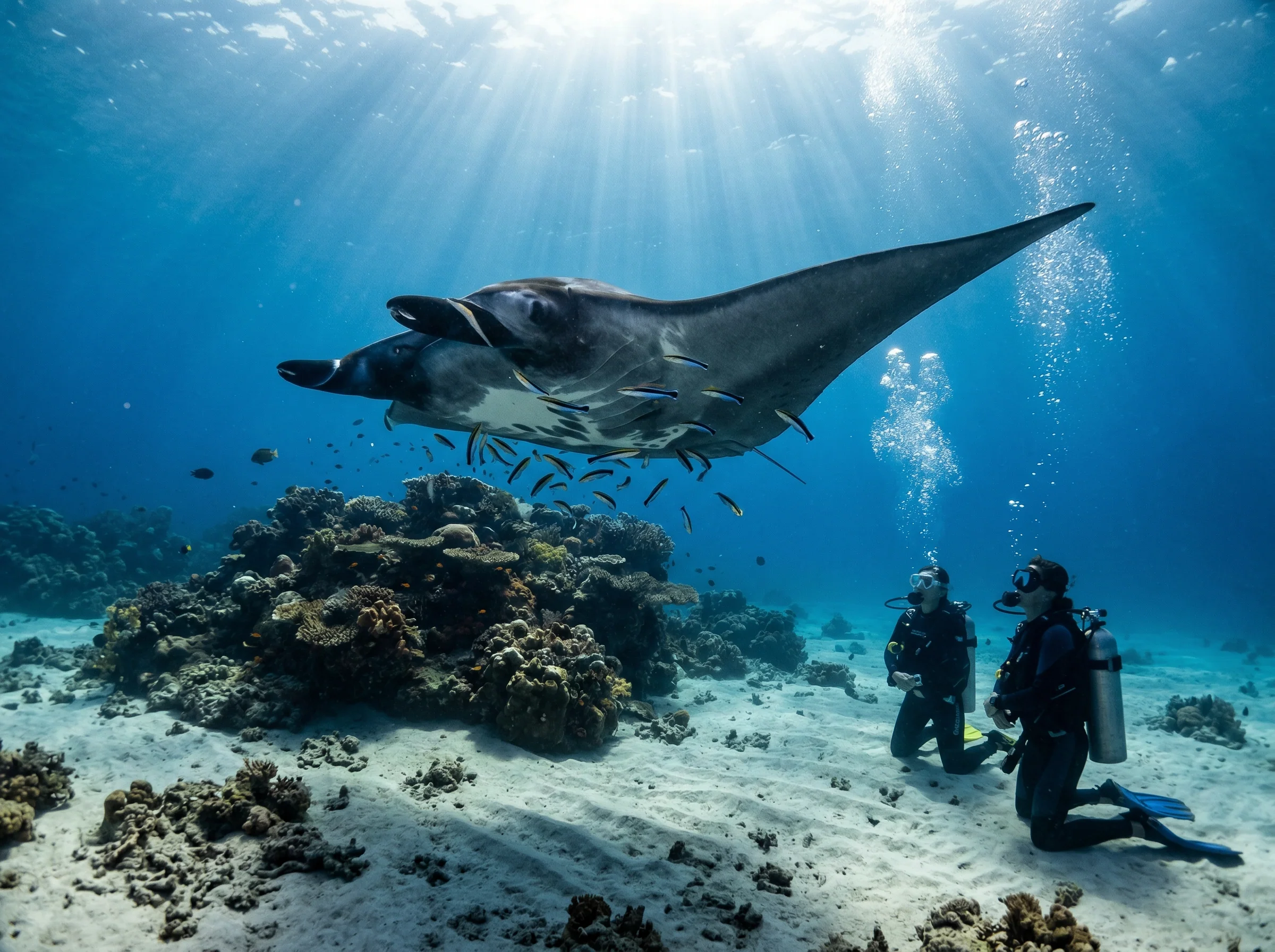
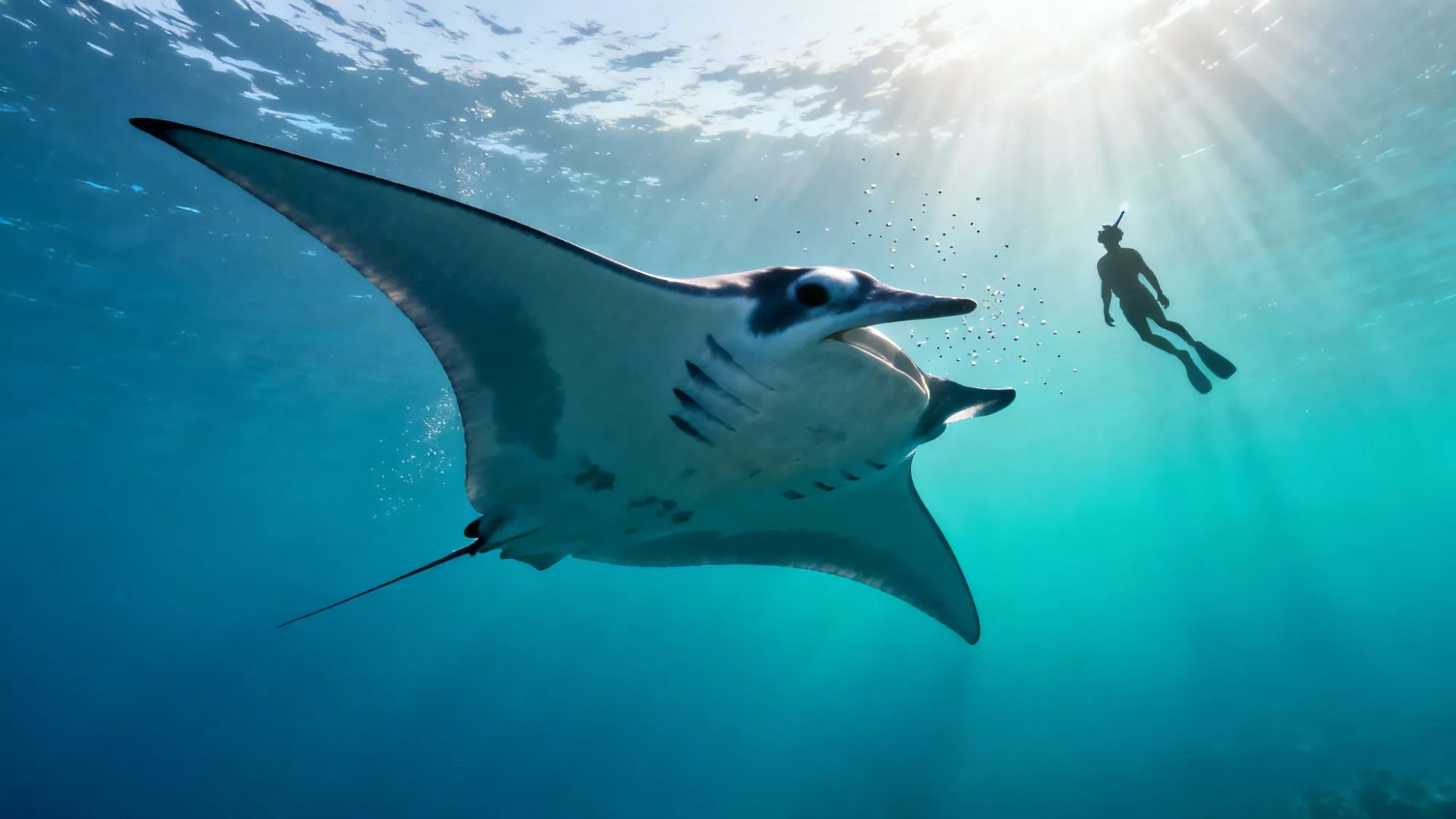
Natural underwater area where rays gather to have parasites removed by cleaner fish.
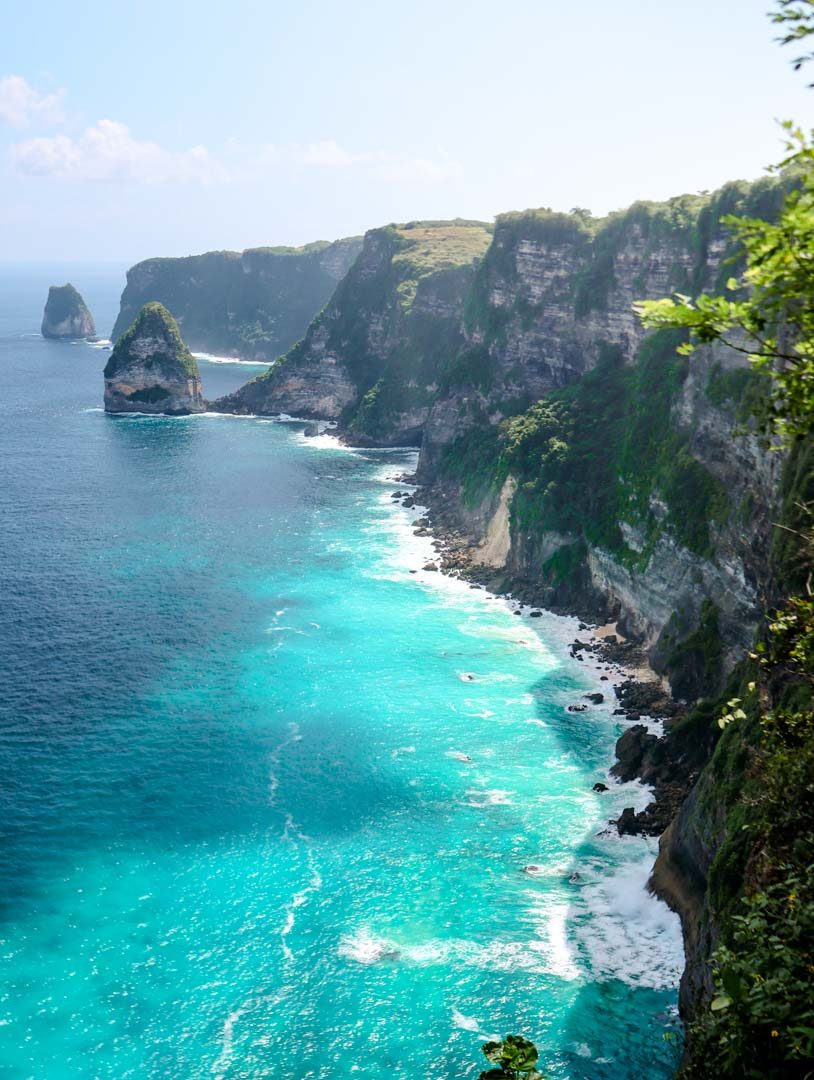
Massive limestone walls rise directly from the ocean, creating an dramatic backdrop.
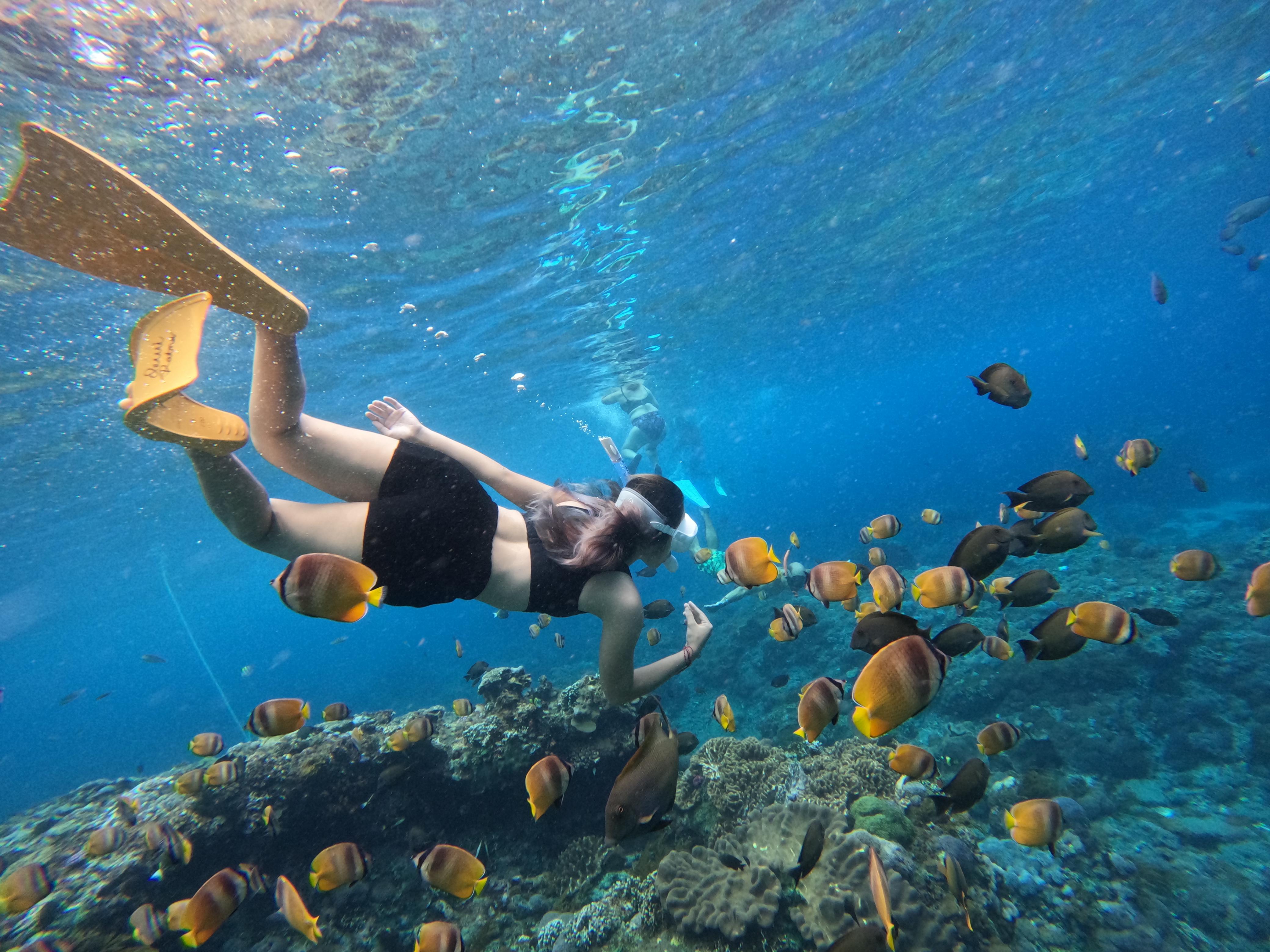
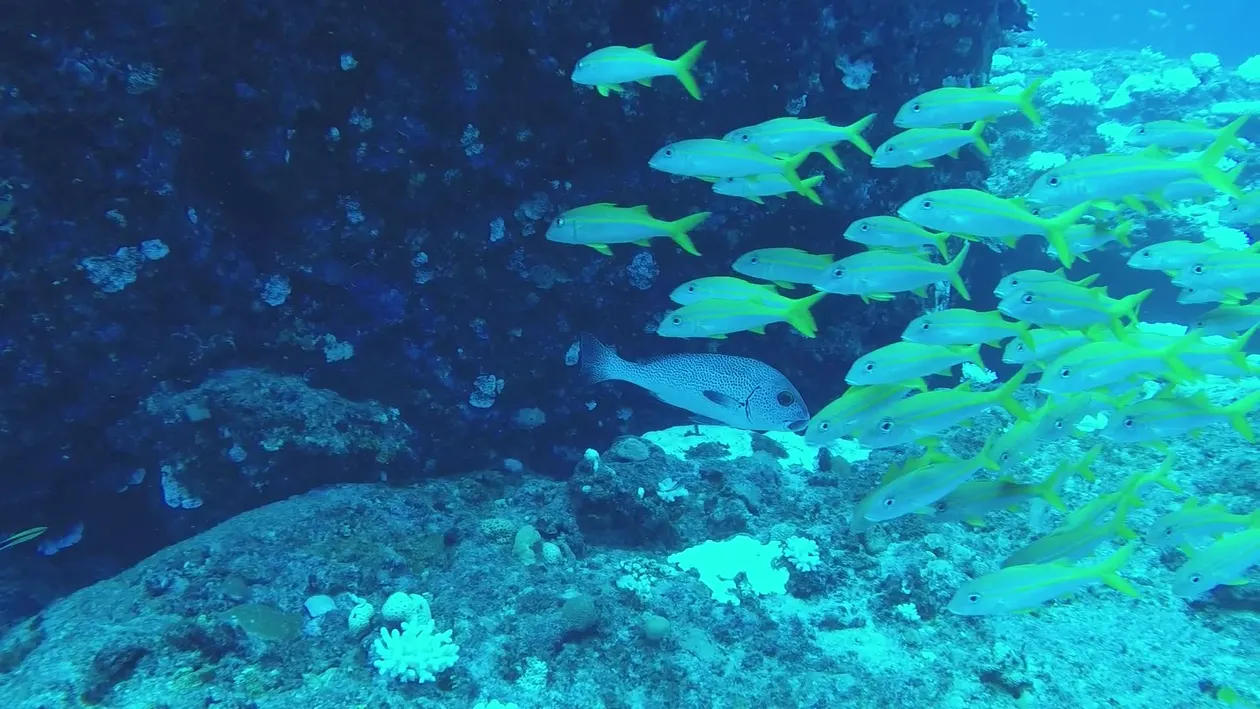
The nutrient-rich currents support a wide variety of aquatic life beyond just rays.
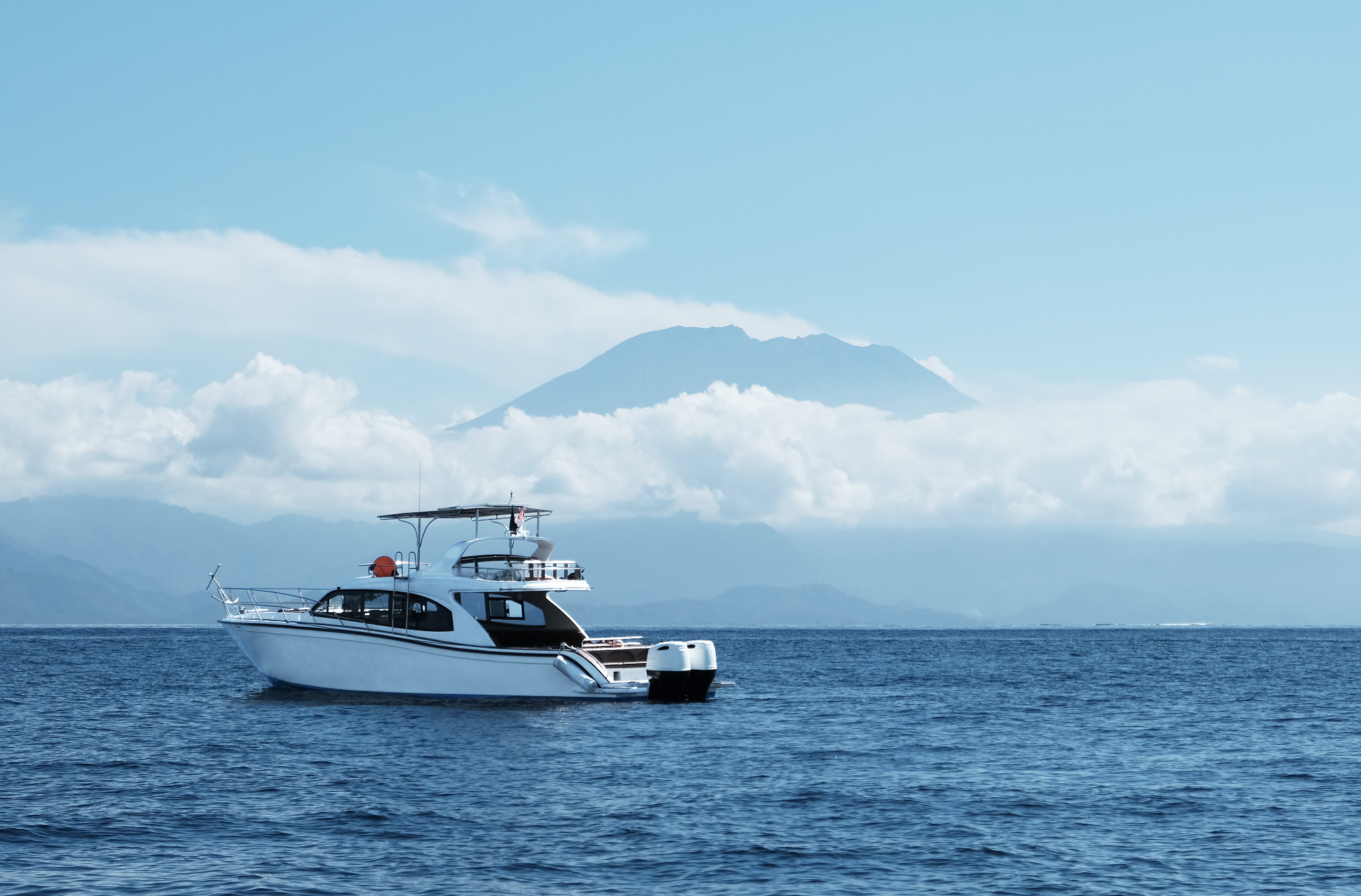
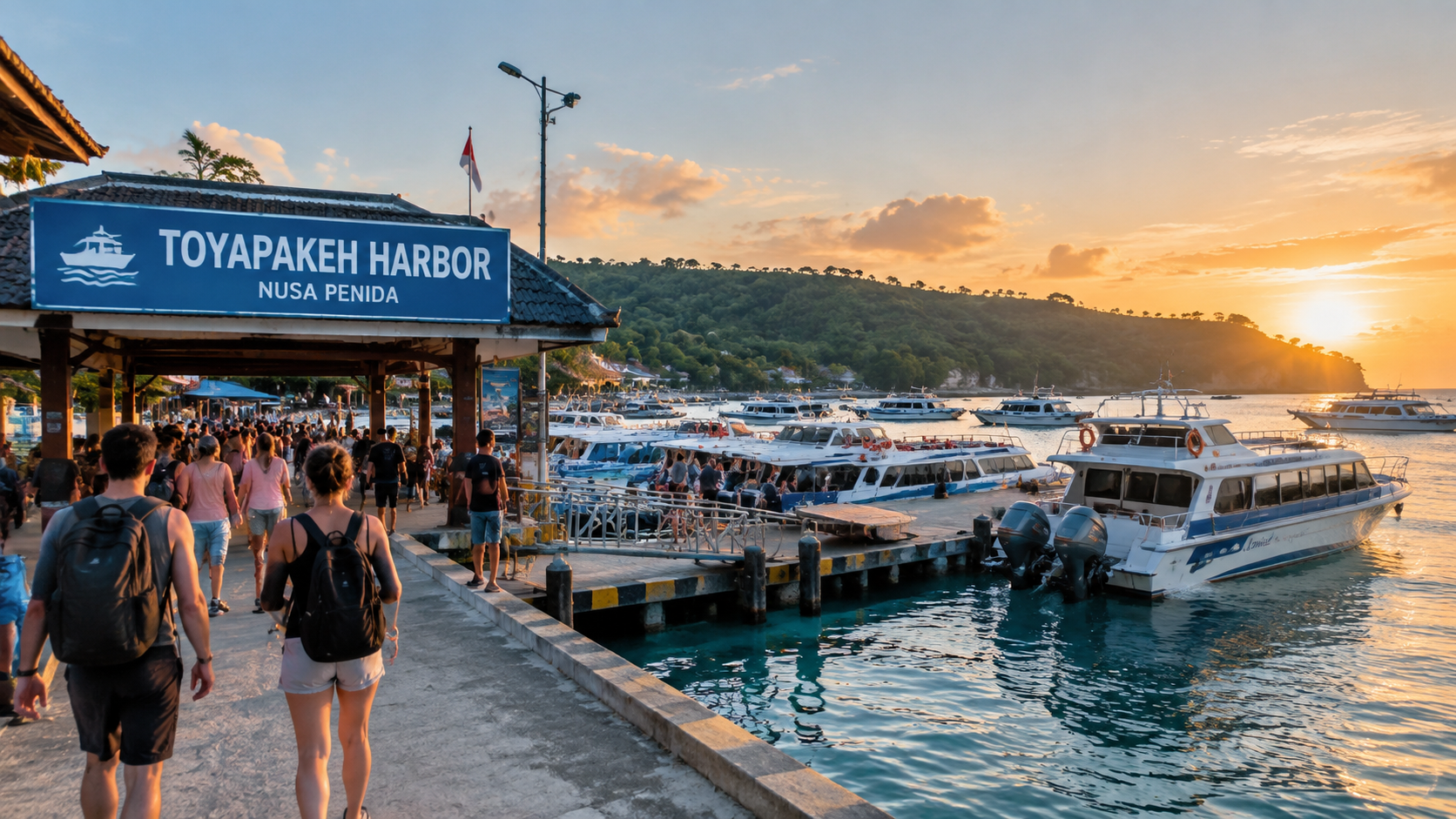
You board at Toyapakeh before first light, the wooden outrigger cutting south past the limestone cliffs that define Penida's western profile. Fifteen minutes offshore, your guide signals the approach — you slip mask and fins on as the boat drifts into position above the cleaning station.
The current pulls you gently east as you descend into blue water, scanning the mid-column where shadows first resolve into wingbeats.
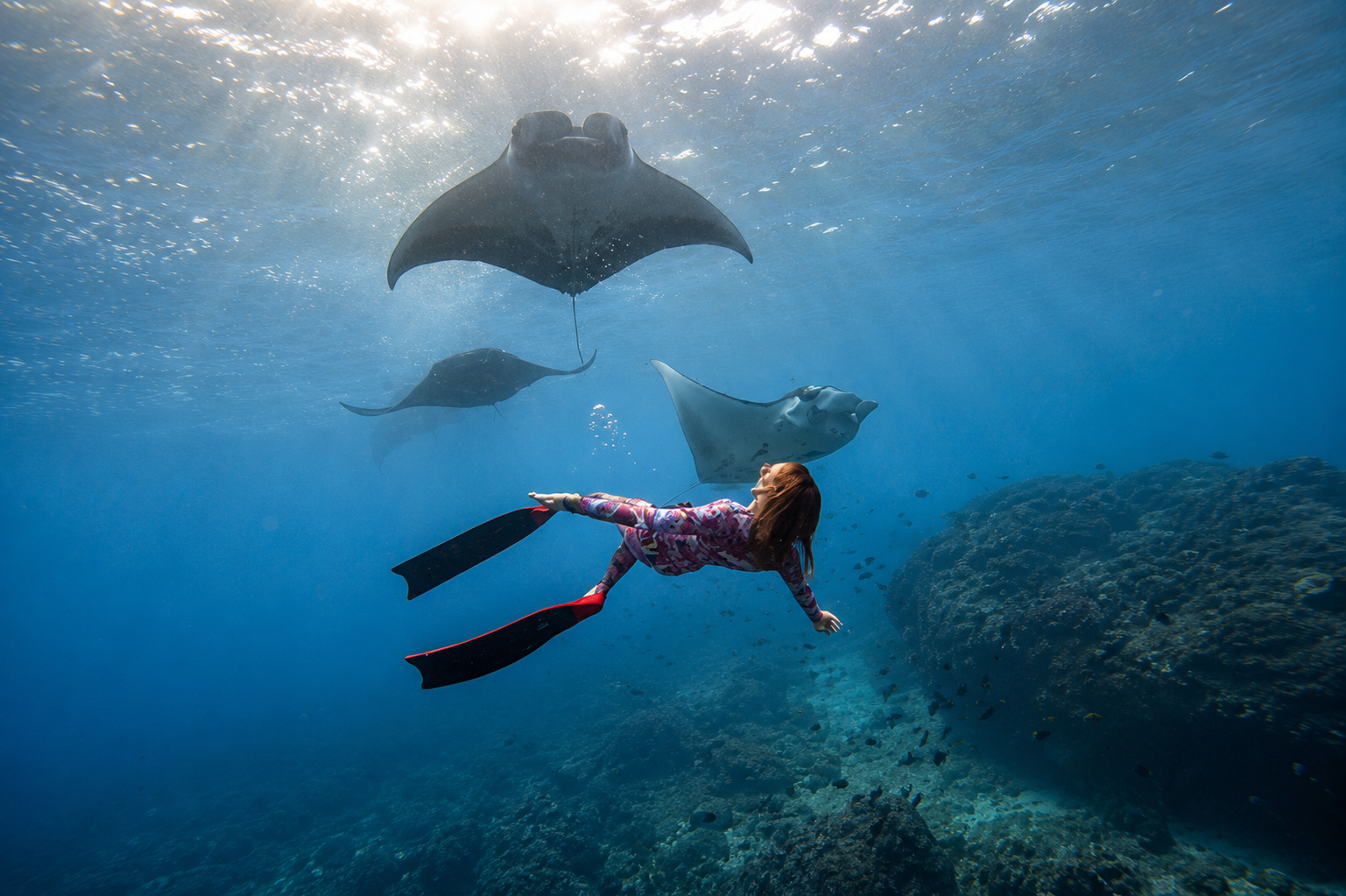
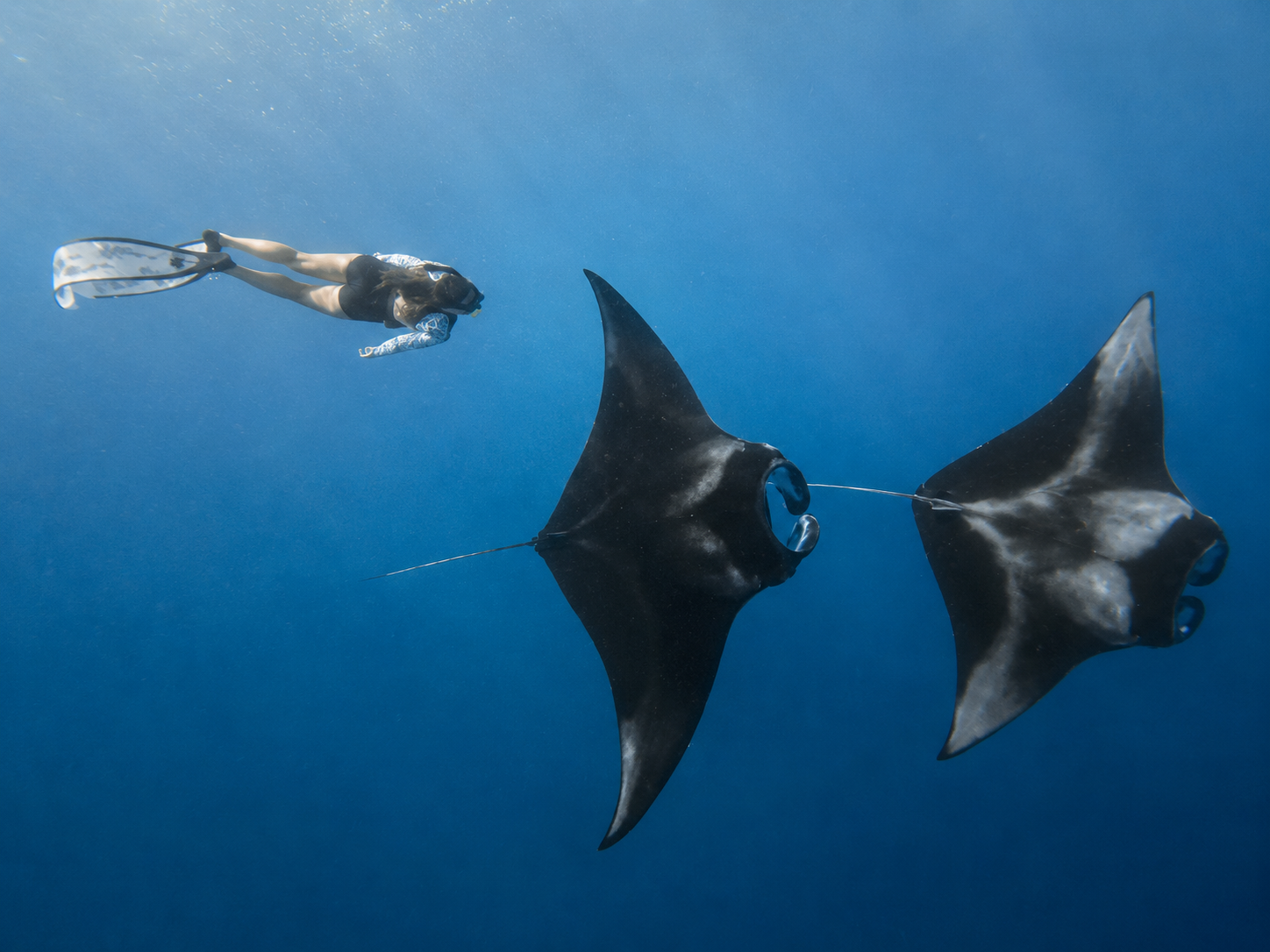
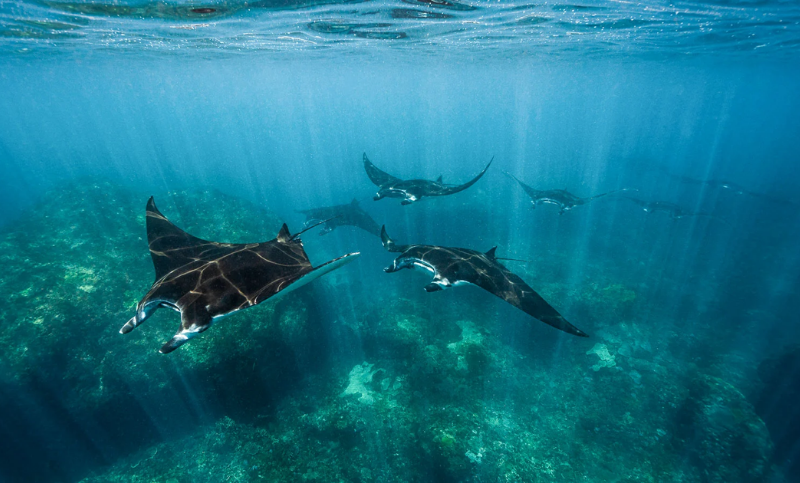
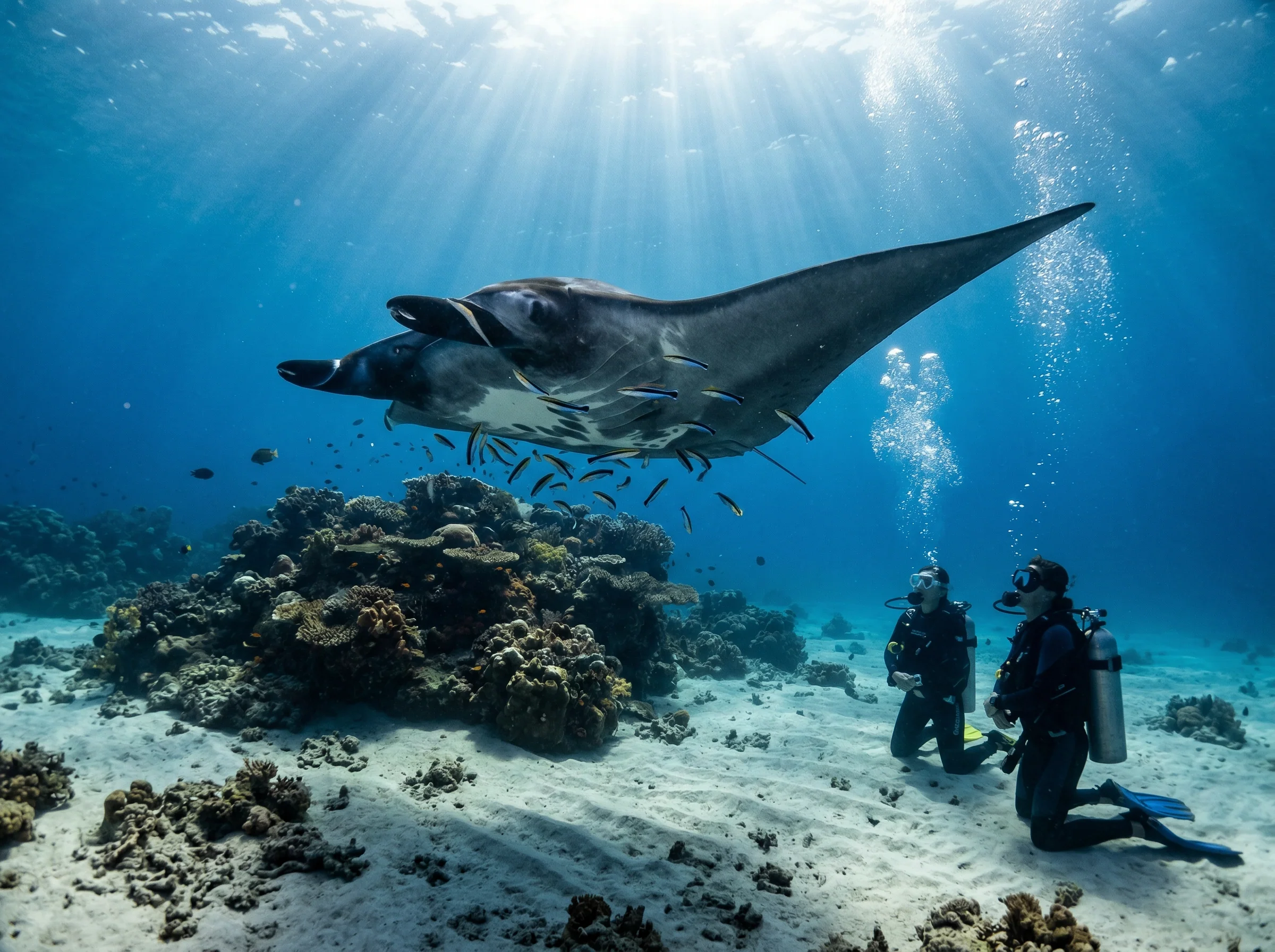
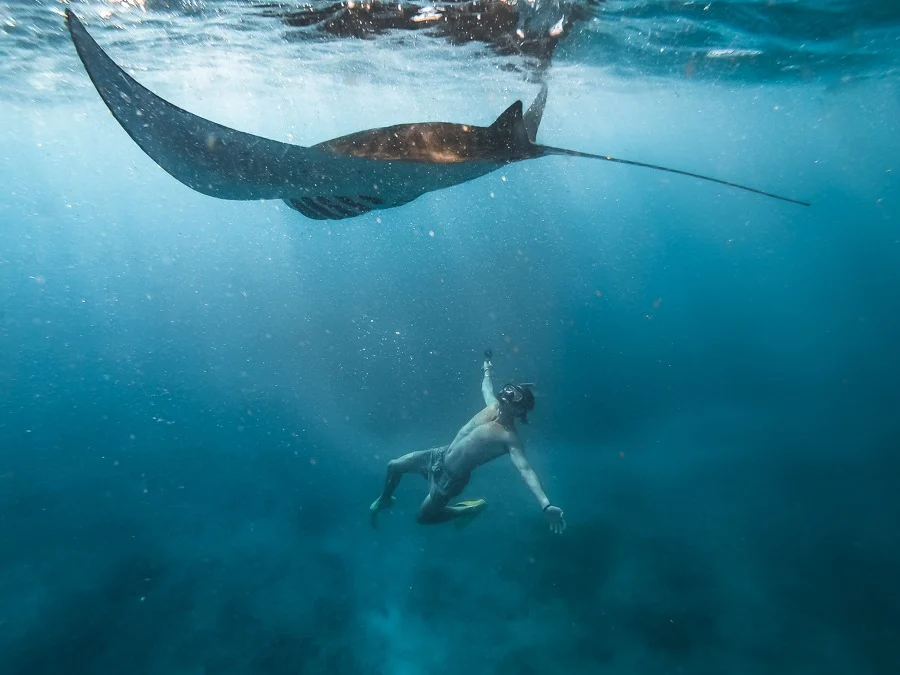
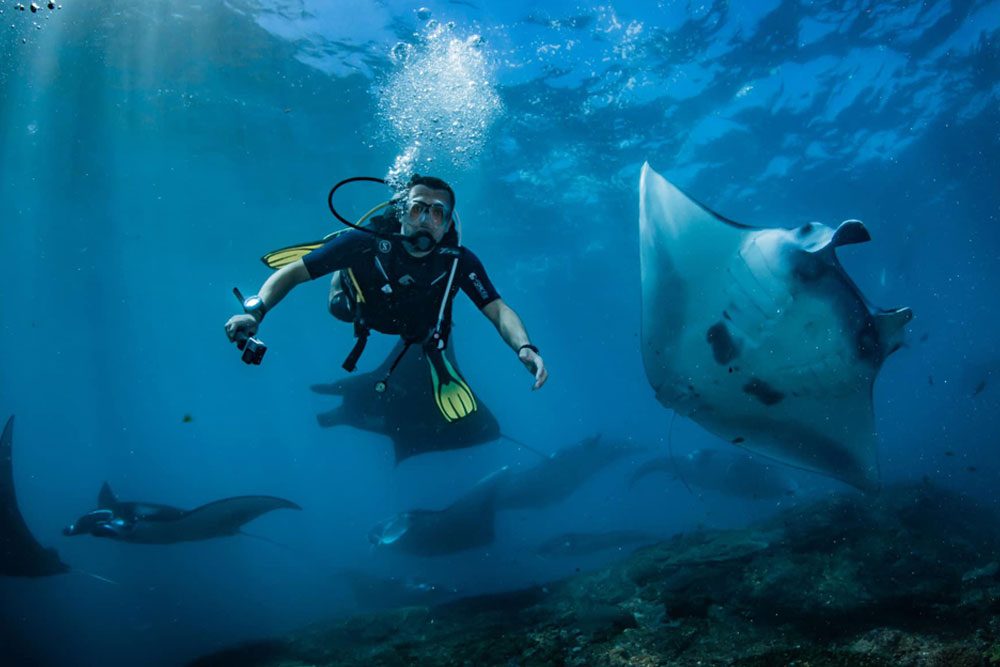
A four-meter female glides beneath you, white ventral markings distinct against the reef twenty meters below. She banks into a slow barrel roll, gills flared as cleaner wrasse dart across her skin. You hold position at the surface, equalizing pressure as she completes another pass, close enough now to see the cephalic fins uncurl and funnel plankton toward her mouth. Two smaller males join the circuit, their choreography unhurried and methodical.
Your guide signals a shift — the group drifts downcurrent to where the channel narrows and a second manta hovers motionless, suspended in the upwelling. You float above her for three full minutes before she powers away with two wingbeats, disappearing into the blue gradient. The boat retrieves you thirty minutes after entry, your logbook now carrying GPS coordinates and a count: seven individuals, four cleaning interactions, visibility twenty-two meters.
All the details about your upcoming adventure in one place
Manta Point sits in a 30-meter channel where nutrient-rich upwellings from the Lombok Strait meet the shallow limestone shelf of Nusa Penida's southwest coast.
The convergence creates a cleaning station where reef manta rays — wingspans reaching four meters — gather year-round to have parasites removed by smaller fish. Marine biologists first documented the aggregation site in 2008, and the Indonesian Ministry of Marine Affairs designated the surrounding waters a Marine Protected Area in 2014, requiring all snorkelers to carry a daily conservation permit.
The geology of Nusa Penida — raised coral terraces fractured by tectonic uplift — produces underwater topography that channels plankton-laden currents into predictable corridors. Manta rays patrol these corridors from dawn through mid-morning, when plankton density peaks and wave action remains minimal. The site records an average of six to twelve individual mantas per session during optimal conditions, though numbers fluctuate with lunar cycles and seasonal monsoon shifts. Unlike oceanic mantas that migrate thousands of kilometers, the reef mantas here demonstrate site fidelity, returning to the same cleaning stations across years.
Snorkeling Nusa Penida Manta Point tours depart primarily from Toyapakeh Harbor and Sampalan Port, with crossing times ranging from twelve to twenty minutes depending on swell conditions. Most operators combine manta encounters with secondary sites — Gamat Bay's coral gardens or Crystal Bay's thermocline walls — to diversify the itinerary when manta activity slows. The marine park's no-touch protocols prohibit pursuit swimming, flash photography, and approach distances under three meters, enforcement handled by rotating patrols from the Klungkung Marine Conservation Office.
Current velocity at the cleaning station averages 0.8 to 1.2 knots, requiring confident surface swimming and mask-clearing ability. Water temperature holds steady between 26 and 28 degrees Celsius year-round, though thermoclines can drop readings by four degrees at depth. Visibility ranges from fifteen to thirty meters, degrading during the northwest monsoon months of December through February when river runoff increases sediment load. The permit system caps daily visitors at 180 across all operators, a quota rarely reached outside Indonesian holiday weekends.

The convergence creates a cleaning station where reef manta rays gather year-round to have parasites removed by smaller fish
Wear swimwear and lightweight clothing suitable for a boat trip. A rash guard is recommended for sun protection while enjoying snorkeling nusa penida manta point.
Space on speedboats is limited to dry bags. Keep belongings to a minimum to ensure comfort during your snorkeling nusa penida manta point journey.
Underwater cameras or GoPro devices are encouraged to capture the marine life. Ensure your equipment is secured for use during your snorkeling nusa penida manta point visit.
Children should be confident swimmers, as the currents at the site can be strong. Always supervise minors closely during all snorkeling nusa penida manta point trips.
Accessing the water requires jumping from a boat ladder into open sea. This activity is not suitable for those with limited mobility or severe physical impairments.
Most operators provide drinking water on board. Avoid bringing snacks that create debris to protect the marine habitat.
Opening Hours
06:00–19:00
Address
Manta Point, Nusa Penida, Kabupaten Klungkung, Bali, Indonesia
Marine Access
Boat-based excursion only
Best Arrival
06:00–09:30
Storage
Not available on boats
Location
Coastal waters south of Nusa Penida
Boat · 60m · Variable cost per ticket
Public ferries and speedboats arrive from Sanur to various Nusa Penida harbors.
Car · 30m · Dependent on distance
Local drivers can transport you from your accommodation to the designated harbor.
Operators typically require 24-hour notice for a full refund on snorkeling nusa penida manta point tickets. The 100,000 IDR Marine Protected Area permit is mandatory for international visitors and may be non-refundable depending on the provider.
Recommended time
3-4 hours
Planning your snorkeling nusa penida manta point experience requires accounting for boat transit times and sea conditions that often dictate visibility. Most snorkeling nusa penida manta point tours prioritize an early departure to ensure you reach the site before the afternoon swell increases. By choosing a morning slot for your snorkeling nusa penida manta point tour, you secure better ocean stability, while booking your snorkeling nusa penida manta point tickets in advance helps streamline the boarding process for these ray-focused excursions.
Crowd levels through the day
Weather · crowds · average price — dots go green to amber to red as each metric rises.
Dry season provides the clearest visibility and calmest surface conditions. Early morning departures ensure the best experience for snorkeling nusa penida manta point excursions.
Stay at least 3 meters away from manta rays to avoid startling them. This ensures safety for both swimmers and rays during your snorkeling nusa penida manta point tour.
Manta Point emerged as a dive and snorkel destination in the late 1980s when local Balinese fishermen from Nusa Penida began reporting regular sightings of reef manta rays congregating in the shallow channels off the island's southwest coast. By 1992, a handful of pioneering dive operators from mainland Bali chartered wooden outriggers to the site, documenting manta cleaning stations where the rays visited to have parasites removed by smaller fish. The reliability of these encounters—mantas appeared nearly year-round thanks to nutrient-rich upwellings—transformed snorkeling nusa penida manta point into one of Indonesia's most sought-after marine experiences by the late 1990s. Commercial pressure escalated sharply after 2005. Tour operators multiplied from fewer than a dozen to over two hundred by 2012, and daily visitor counts exceeded five hundred during peak months. Overcrowding prompted the Klungkung Regency to establish the Nusa Penida Marine Protected Area in 2010, introducing mandatory permits and zoning rules to limit simultaneous boats at cleaning stations. Enforcement remained inconsistent until 2014, when the Indonesian Ministry of Marine Affairs partnered with Conservation International to train local rangers and install mooring buoys that prevented anchor damage to coral. The COVID-19 closure between March 2020 and mid-2021 allowed manta populations to rebound; researchers recorded a twenty-eight percent increase in individual ray sightings during post-pandemic surveys. Snorkeling tours at Manta Point now operate under stricter protocols: groups are capped at ten snorkelers per guide, and vessels must maintain fifteen-meter distances from feeding rays. The site remains accessible daily from 06:00 to 19:00, though the marine protected area permit—required for all international visitors—rose to 100,000 IDR in 2024 to fund reef restoration and patrol operations.
Local fishermen report consistent manta ray aggregations in shallow channels off Nusa Penida's southwest coast.
First commercial dive operators from Bali document manta cleaning stations and begin charter trips to the site.
Klungkung Regency establishes Nusa Penida Marine Protected Area with zoning rules to manage increasing boat traffic.
Ministry of Marine Affairs installs mooring buoys and trains local rangers to enforce protection measures.
COVID-19 closure allows manta populations to recover; post-pandemic surveys show twenty-eight percent increase in sightings.
Marine protected area permit for international visitors set at 100,000 IDR to fund ongoing conservation efforts.
Position yourself at the edge of the boat as the crew identifies movement below to capture the majestic silhouettes of manta rays against the deep blue water during your snorkeling nusa penida manta point excursion.
From the deck of your vessel, capture the dramatic limestone coastline that towers over the deep ocean swells before beginning your snorkeling nusa penida manta point tour.
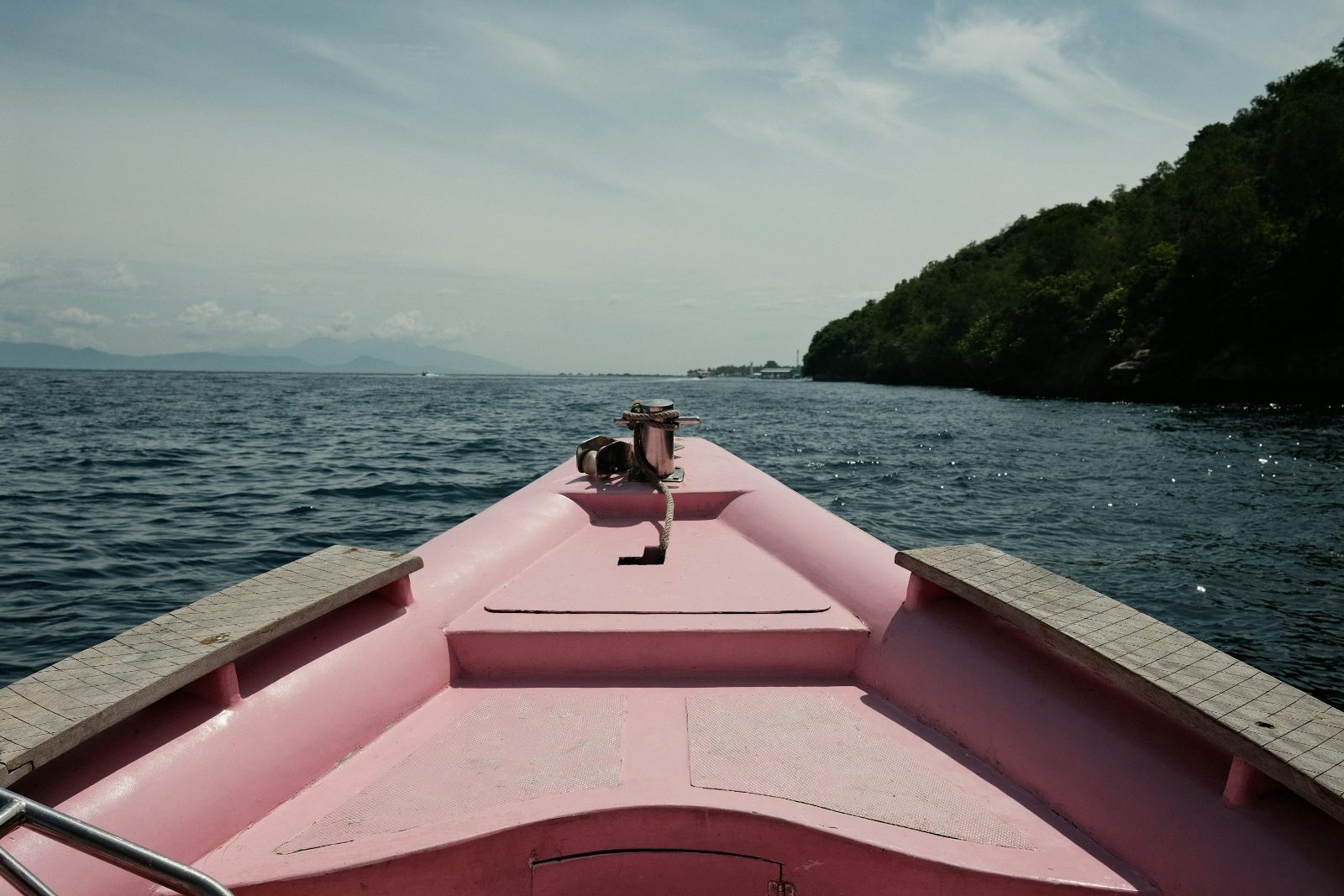
Stand at the front of the boat to document the anticipation of your snorkeling nusa penida manta point tickets entry, framing the open sea and distant islands in the background.
Planning a family outing for snorkeling nusa penida manta point requires careful attention to sea conditions and boat safety for children. These manta ray spotting excursions are best suited for older kids who are comfortable swimming in open water.
The boats and rocky beach access points are not compatible with strollers, so parents must use carriers for infants or plan to hold children on land.
Given the deep ocean environment, these snorkeling nusa penida manta point tours are recommended for children aged 8 and older who have strong swimming skills.
There are no baby-change facilities or specialized amenities on board, so ensure all personal supplies are packed in waterproof bags before departure.
To ensure a comfortable experience, consider booking private snorkeling nusa penida manta point tickets to maintain control over your group's pace and duration in the water.
The ocean currents and visibility become unpredictable during heavy rain, making it necessary to check weather reports before utilizing your snorkeling nusa penida manta point tour booking.
The remote location of Manta Point means there are no restaurants on-site, so visitors planning for snorkeling nusa penida manta point should coordinate meals with their boat operators. Most guests enjoy lunch at coastal warungs near the main harbor after completing their manta ray spotting excursions.
This popular spot near the harbor offers varied Indonesian and western dishes perfect for post-excursion recovery. It is a favored choice for those returning from snorkeling nusa penida manta point tours to relax with a view.;The Gallery
Everything you need to know for your journey
Yes, international visitors must pay a 100,000 IDR Marine Protected Area permit per day. This fee supports conservation efforts at Manta Point.
The site is accessible daily from 06:00–19:00. Tours usually plan their schedules within these hours.
This depends on your operator, so please verify if the 100,000 IDR permit is included in your booking price.
The best arrival window is 06:00–09:30. Arriving early helps you beat the peak influx of boat tours.
Children are welcome if they are strong, confident swimmers. Always confirm age restrictions with your specific operator for a snorkeling nusa penida manta point excursion.
Bring sunscreen, a towel, a waterproof camera, and your 100,000 IDR permit fee. Keeping gear minimal is best for boat travel.
Boats do not have lockers, so bring only what you can keep in a dry bag. Secure your valuables before departure.
The site involves open-water swimming, which can be challenging. Non-swimmers are generally not advised to join snorkeling nusa penida manta point tours.
Operators typically offer a reschedule or refund based on their specific policy if sea conditions prevent a safe journey.
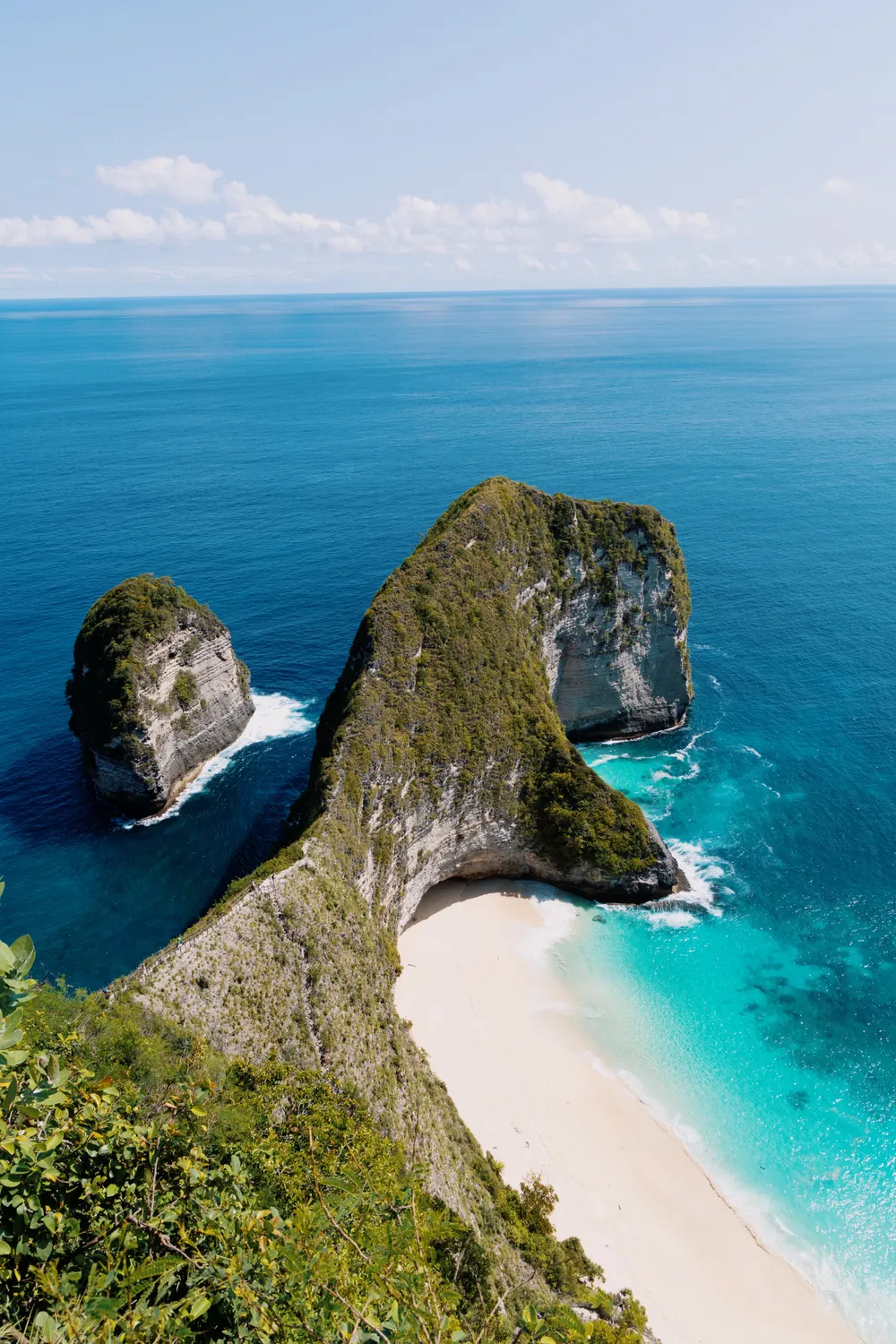
A dramatic coastal cliff formation visible from the sea. The iconic T-Rex shape is a significant landmark.
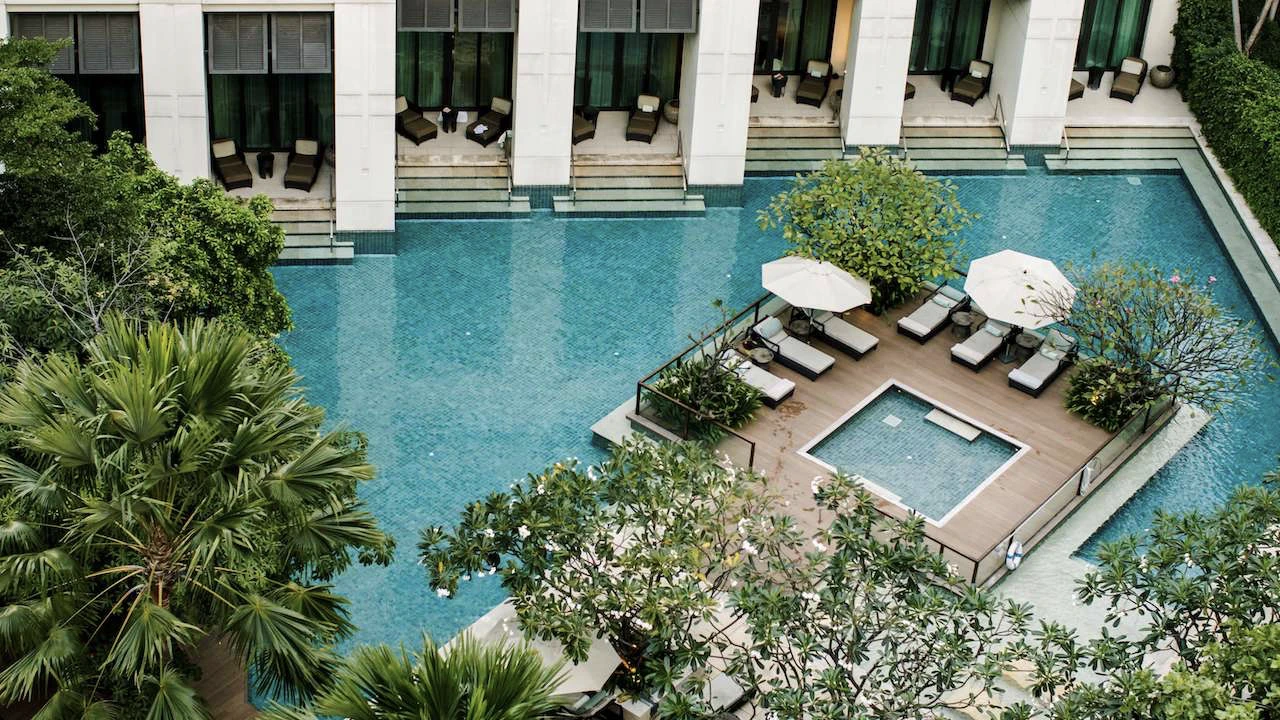
Secluded beachside lodging
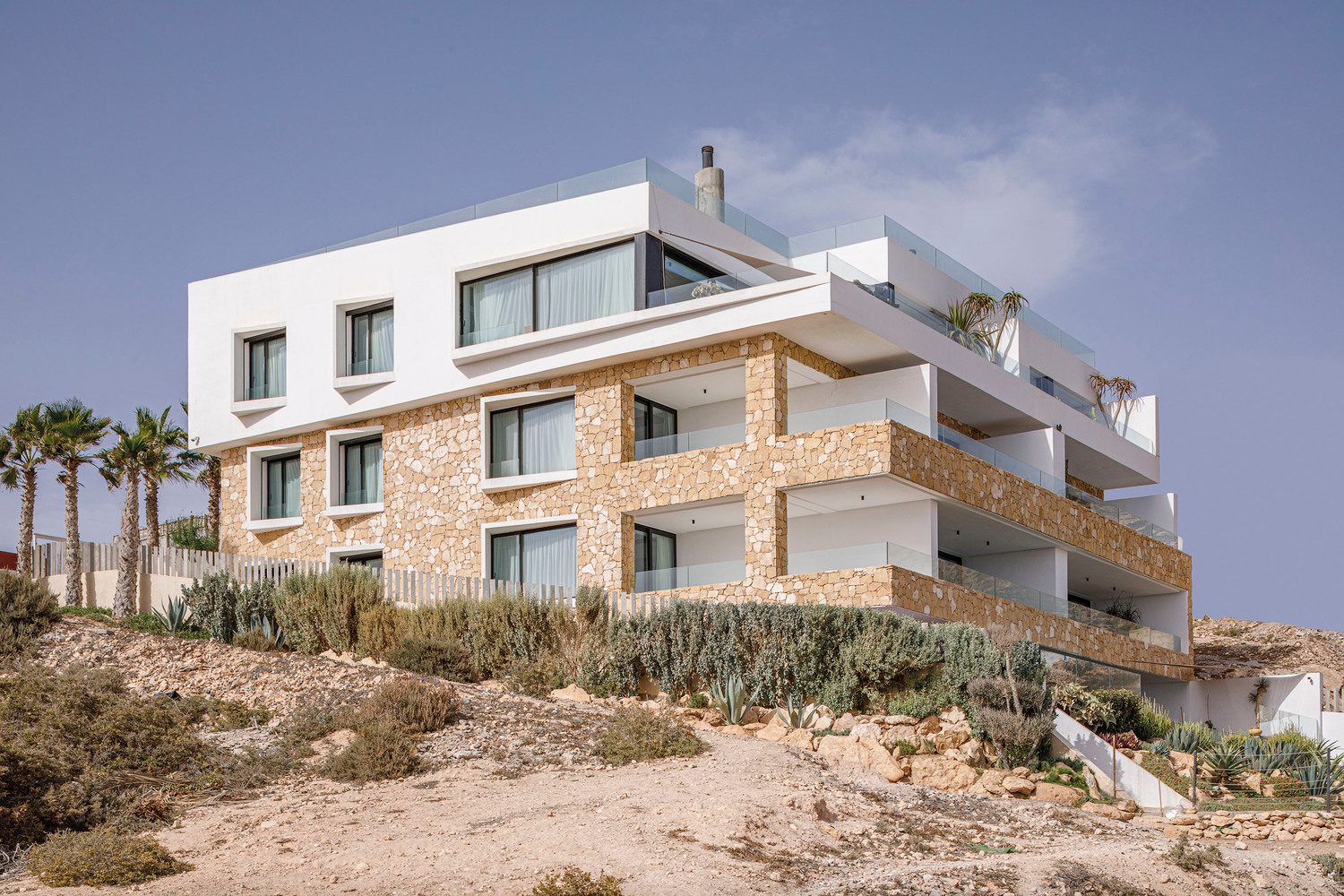
Modern amenities near the coast
Simple accommodation near the port
Join thousands of happy travelers who have discovered this incredible experience
Book Your Experience Now